Gurugram has always been at the forefront of infrastructure-led growth in NCR. From NH-48 to Dwarka Expressway, every major road project has redefined how the city lives, works, and invests. Now, with the upcoming Outer Ring Road and multiple elevated corridors, the city is entering its next phase of connectivity transformation—one that will significantly impact DDJAY plots and low-rise developments.
Let’s understand how these projects will reshape Gurugram’s future.
The Current Connectivity Challenge in Gurugram
Despite rapid growth, Gurugram faces major traffic bottlenecks:
- Heavy dependence on NH-48
- Congestion at Rajiv Chowk, Hero Honda Chowk, and Sohna Road
- Poor east-west connectivity
- Increasing pressure due to new residential sectors
While roads like Golf Course Road and Sohna Road support internal movement, the city still lacks a seamless outer network.
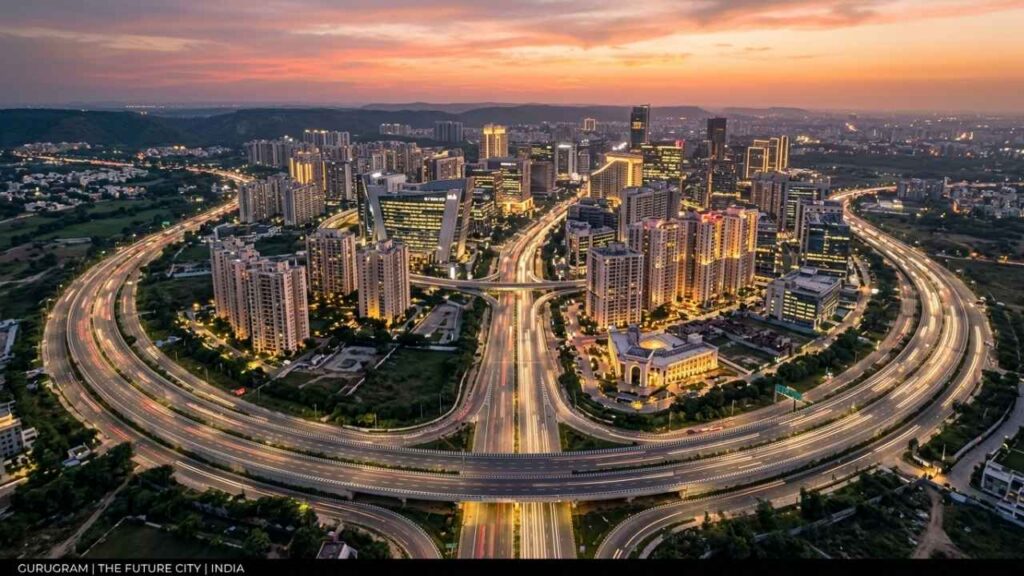
What is Gurugram’s Outer Ring Road Plan?
The proposed Outer Ring Road is part of Haryana’s long-term infrastructure vision to decongest the city and create a circular mobility network.
- Will connect emerging sectors and peripheral areas
- Reduce pressure on NH-48
- Improve connectivity between Manesar, Sohna, and New Gurugram
- Designed to support future urban expansion
The Haryana Budget 2026 highlighted Outer Ring Road and major elevated highways as key infrastructure priorities for Gurugram.
👉 In simple terms:
It will act like a bypass for Gurugram—just like Delhi’s Ring Road system.
Elevated Corridors: The Real Game Changer
Alongside the ring road, Gurugram is seeing a massive push toward signal-free elevated corridors.
Key Projects:
1. Southern Peripheral Road (SPR) Elevated Corridor
- 4.2 km signal-free stretch
- Connects NH-48 to Vatika Chowk
- Links Dwarka Expressway and Sohna Road
- Designed to reduce traffic bottlenecks
This corridor will significantly improve travel between Southern Gurugram and key highways.
2. 14 KM Mega Elevated Corridor
- From Ghata to NH-48 via Vatika Chowk
- Includes multiple flyovers
- Aims to reduce congestion across major routes
Announced in the 2026 Haryana budget as a major infrastructure upgrade.
3. Old Gurugram Elevated Network
- Multiple corridors covering 16+ km
- Includes Rajiv Chowk to Dwarka Expressway routes
- Designed to decongest dense city areas
These corridors will solve long-standing traffic issues in older sectors.
How These Projects Improve Connectivity
1. Signal-Free Travel Across the City
Elevated roads eliminate traffic signals, ensuring smooth and faster travel.
👉 Example:
Travel from Sohna Road to Dwarka Expressway will become seamless.
2. Better Interlinking of Key Corridors
The new infrastructure will connect:
- Dwarka Expressway
- NH-48
- Southern Peripheral Road
- Sohna Elevated Road
This creates a multi-layered road network, reducing dependency on a single highway.
3. Reduced Travel Time
With bypass routes and elevated flyovers:
- Peak-hour delays will reduce
- Airport access becomes faster
- Office commutes improve significantly
4. Decongestion of Core Areas
Areas like:
- Rajiv Chowk
- Hero Honda Chowk
- MG Road
will see reduced traffic as vehicles shift to elevated corridors.
Impact on DDJAY Projects in Gurugram
Now let’s connect this with Deen Dayal Jan Awas Yojana (DDJAY)—which focuses on plotted and low-rise housing.
1. Boost to Peripheral Sectors
DDJAY projects are mostly located in:
- New Gurugram (Sectors 84–95)
- Sohna Road belt
- Near Dwarka Expressway
With improved connectivity, these areas will no longer feel “far”.
2. Rise in Property Value
Infrastructure drives real estate—and this is proven.
- Better roads = Higher demand
- Improved accessibility = Faster appreciation
- Early investors benefit the most
Dwarka Expressway already showed how connectivity can redefine pricing trends.
3. Ideal for End-Users
DDJAY buyers (families & professionals) benefit from:
- Faster daily commute
- Less traffic stress
- Better quality of life
4. Commercial Growth Along Corridors
Where roads go, businesses follow.
- Retail hubs
- Office spaces
- Mixed-use developments
This increases livability and ROI for DDJAY investors.
The Bigger Picture: Gurugram 2030 Vision
With:
- Outer Ring Road
- Elevated corridors
- Metro expansion
- Expressways
Gurugram is moving toward a multi-nodal, well-connected city model.
👉 Result:
- Reduced congestion
- Balanced development
- New real estate hotspots
Conclusion
Gurugram’s upcoming Outer Ring Road and elevated corridors are not just infrastructure projects—they are growth engines.
For DDJAY buyers and investors, this means:
✔ Better connectivity
✔ Higher property appreciation
✔ Improved lifestyle
✔ Strong future growth potential
if you are planning to invest in Gurugram, this is the early stage of the next big real estate boom—and infrastructure is leading the way.