Introduction
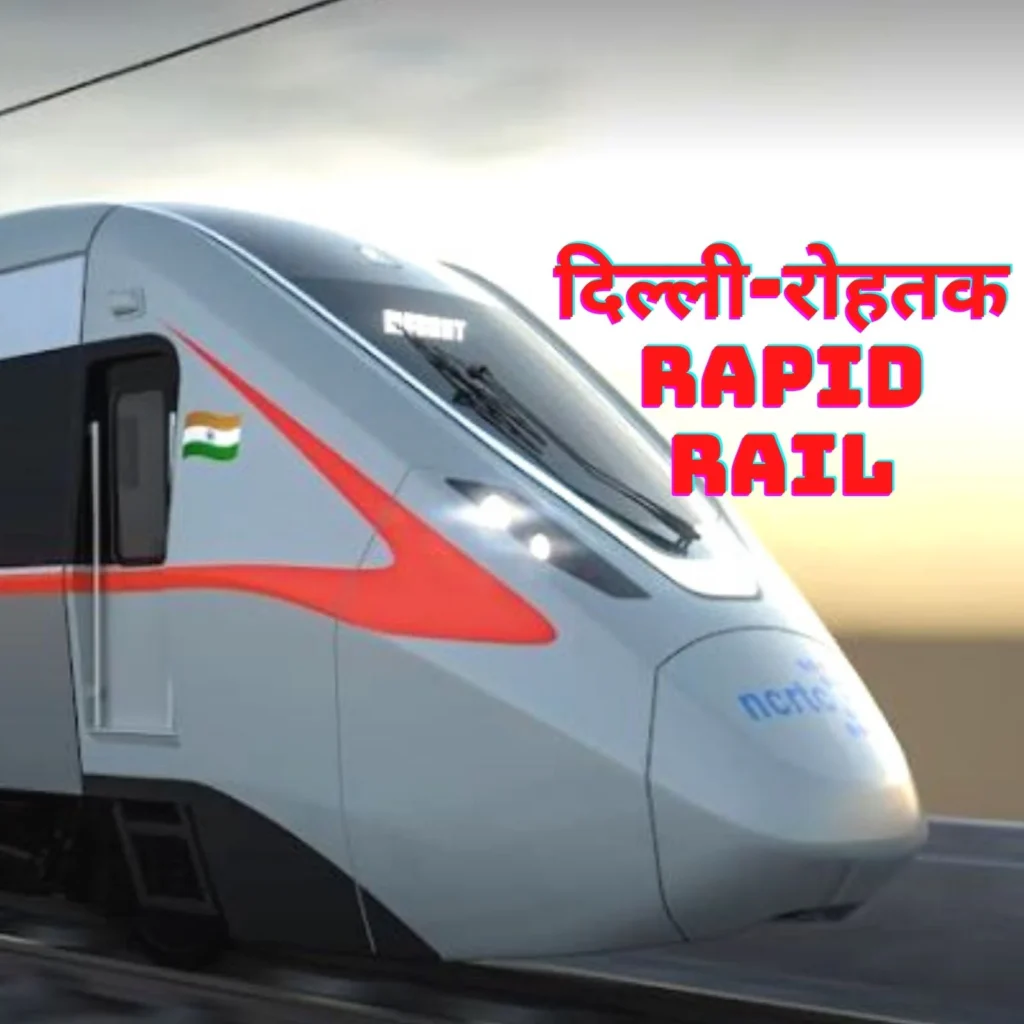
The RRTS (Regional Rapid Transit System) is India’s first semi-high-speed rail system designed to transform regional travel connectivity. Operated by the National Capital Region Transport Corporation (NCRTC), RRTS corridors are planned for average speeds of 160–180 km/h, offering fast, comfortable, and eco-friendly commuter services between major cities and suburban nodes. This improved infrastructure is also driving real estate growth along the corridors, increasing demand for housing and affordable plots near RRTS stations, making these locations attractive for both homebuyers and investors.
1. Corridor 1:
Delhi – Ghaziabad – Meerut CorridorOperationContractProgramme.
Length: ~82.15 km
Route: Sarai Kale Khan (Delhi) – Ghaziabad > Modinagar → Meerut South.
Status: Partially operational- only priority section from Sahibabad to Duhai & beyond is open currently and the full corridor is slated to be ready by mid-2025.
Consists of stations such as Guldhar, Modinagar South/North,Murad Nagar, Meerut South.
2. Corridor 2
Delhi Gurugram Rewari Alwar (extension to Sawai Madhopur ) guiActive
Length: ~164 km
Route: Connects Delhi to Gurugram, Rewari, and Alwar in Haryana & Rajasthan.
Pre-construction activities (surveys, soil tests) in progress with DPR done.
3. Delhi – Panipat Corridor
Proposed Route The line was planned to connect Delhi with Panipat in Haryana DPR & planning stage
Future Plans & Extensions
Beyond Phase-I, a number of other corridors are currently planned or being studied to further enhance intercity connectivity:
Greater Noida – Gurugram RRTS (about 60 km) under progress in DPR preparation.
Delhi – SNB (Shahjahanpur-Neemrana-Behror) corridor and is also proposed to be constructed in 2026.
Delhi – Panipat – Karnal, Deli -Faridabad- Palwal, Ghaziabad-Hapur and many others are under consideration.
State focused investigations (like Tamil Nadu RRTS corridors) are also underway.
Coming urban RRTS plans feature NCR-based interconnectedness (like AFGT-GF-NDA) where some DPRs have been finalised and others in process of land acquisition.
Conclusion
The RRTS network in India is not just a game changer for regional transportation but also makes urban transportation fast, reliable and attractive. Already running segments of the Delhi-Meerut RRTS and other corridors on fast track towards design and construction, the system is set to transform regional mobility as well as economic integraion.